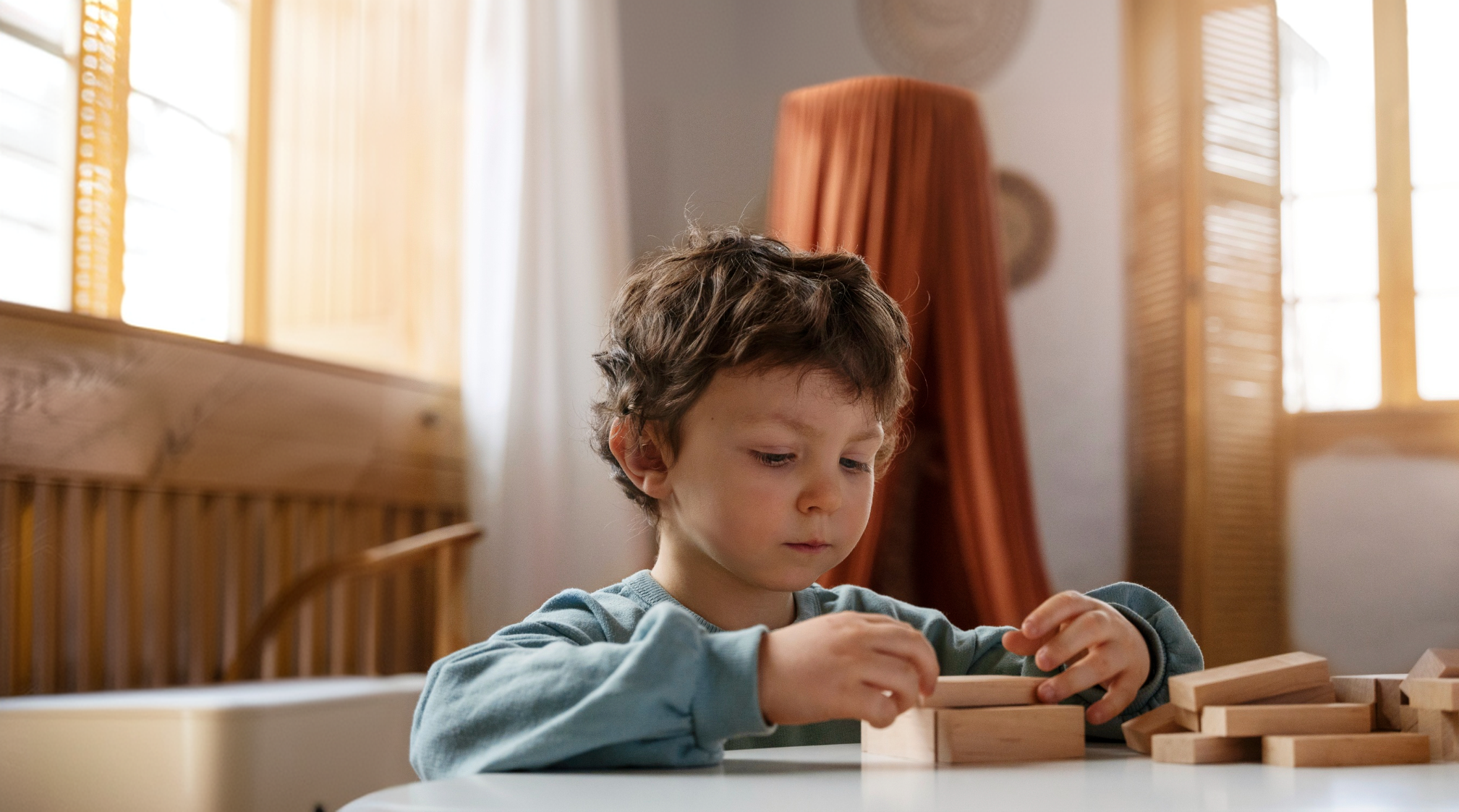
Understanding autism starts with the individual.
Autism, or autism spectrum disorder (ASD), is a developmental difference that can affect how a person communicates, interacts, learns, and experiences the world. Every autistic person is different.
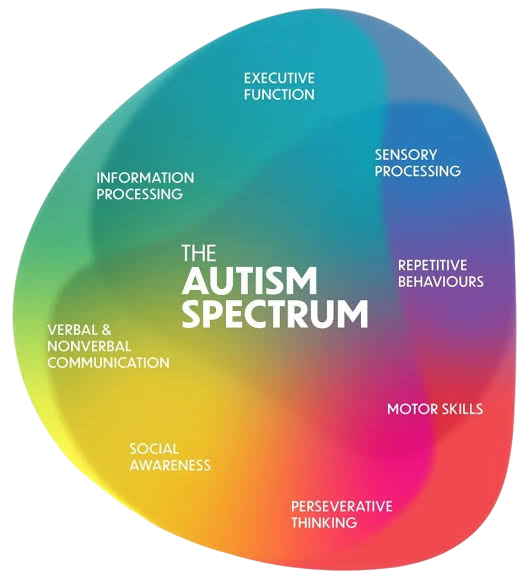
THE AUTISM SPECTRUM
Every autistic person has a unique experience, shaped by their individual traits and circumstances.
Autism is called a spectrum because people’s traits, strengths, support needs, and experiences vary widely. Some autistic people speak fluently; others use few spoken words or communicate in other ways. Some may need more support in daily life, while others may need support in specific situations.
Different ways of communicating, learning, moving, and relating are all part of human diversity.
TRAITS AND EXPERIENCES
Autism may show up in many ways.
Autistic people may experience differences in one or more of the following areas. These examples are not a checklist or a diagnosis; only a qualified healthcare professional can provide an assessment.
Communication
Speaking, understanding language, using gestures, or communicating through alternative means may look different from person to person.
Social interaction
Some people may experience social conversations as unique ways or find communication patterns challenging to navigate and understand.
Routines & interests
Familiar routines, focused interests, and repeated actions can be soothing, and may hold immense personal delight.
Sensory experiences
Sounds, textures, light, space, smells, or movement may be experienced more intensely, less intensely, or differently.
WHEN YOU HAVE QUESTIONS
You do not have to figure it out alone.
If you have questions about development, communication, or behavior, speak with a healthcare provider or qualified specialist. An autism assessment considers a person's overall development, communication, interactions, and support needs—there is no single medical test for autism.

UNDERSTANDING
A little support in your inbox
Get updates on upcoming webinars, programs, events, and resources from Akhil Autism Foundation.